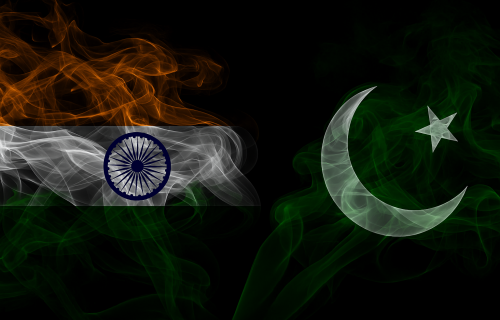
From Flames to Fragile Peace: How the Ceasefire Unfolded
In a shocking twist, India and Pakistan announced an immediate ceasefire with Trump’s interference along the volatile Line of Control (LoC) after days of heavy artillery duels and missile strikes. The worst escalation in decades between the nuclear rivals. But the road to peace is paved with contradictions:
- Trump’s Bold Claim: U.S. President Donald Trump declared on social media that the truce was secured through “all-night U.S. mediation,” taking credit for averting disaster. Trump has been considered as the omen of the peace after his involvement in the peace.
- India’s Denial: India’s Foreign Secretary Vikram Misri insisted the deal was struck “directly” between the two nations, sidestepping U.S. involvement.
- Pakistan’s Nod to Rubio: A Pakistani source leaked to CNN that U.S. Secretary of State Marco Rubio was the “linchpin” in negotiations, working the phones nonstop to push both sides.
The conflicting narratives reveal a high-stakes game of perception. “India hates looking weak; Pakistan craves global validation. This ceasefire lets both save face for now,” says geopolitical analyst Rhea Mehta.
Saturday’s Firestorm: The Strikes That Nearly Spun Out of Control
Hours before the ceasefire, tensions hit a boiling point:
- India’s Missile Barrage: Pakistan accused India of launching precision strikes on multiple military bases.
- Pakistan’s Retaliation: Islamabad responded with its own attacks, targeting Indian installations.
The intensity shocked experts. “This wasn’t routine shelling—it was a hair-trigger moment,” notes defense expert Ajay Singh. “One misfire could’ve sparked a full-blown war.”
The Truce’s Fine Print: What’s Agreed—And What’s Not
While both nations confirmed the ceasefire, critical gaps remain:
- Future Talks? Rubio claimed India and Pakistan agreed to “broad discussions at a neutral site.” India swiftly denied this, stating “no such plans exist.” Pakistan stayed silent.
- Military Hotline Revival: DGMOs (military chiefs) will speak again Monday—a small but vital step to prevent miscalculations.
Why the mixed signals?
- India’s Pride: New Delhi refuses to appear reliant on foreign mediation, especially from the U.S.
- Pakistan’s Strategy: Islamabad leverages global alliances to counter India’s regional dominance.
Will the Ceasefire Hold? Experts Weigh In
- Optimists: The truce mirrors the 2021 LoC agreement, which reduced violence by 70%—until it collapsed in 2023.
- Skeptics: “Without addressing Kashmir or terrorism, this is just a timeout,” warns security analyst Fatima Khan.
Wildcard: With elections looming in both nations, leaders may prioritize de-escalation—or double down on nationalism.
The U.S. Role: Mediator or Opportunist?
Trump’s sudden involvement raises eyebrows:
- 2025 Comeback Bid? Critics speculate Trump is burnishing his foreign policy credentials ahead of a potential presidential run.
- Rubio’s Gamble: The Secretary of State’s midnight diplomacy could boost his profile—or backfire if the truce crumbles.
“America’s playing both sides,” claims former diplomat Sanjay Reddy. “They sell arms to India while posing as peacemakers. It’s a dangerous dance.”
What’s Next?
- Watch the Skies: Violations of the ceasefire often start with drones or cross-border shelling.
- Public Opinion: Hardliners in both nations are already calling the truce a “surrender.”
- Global Eyes: China and Russia are quietly monitoring, wary of U.S. influence in South Asia.
The Bottom Line
This ceasefire is a Band-Aid, not a cure. For lasting peace, India and Pakistan must tackle the root causes: Kashmir’s status, terrorism, and decades of mistrust. Until then, the LoC remains a tinderbox—waiting for the next spark.